Rubio's Iran Justification: Unpacking the "Imminent Threat" and the Lingering Question of Israeli Influence
In the complex theater of Middle Eastern geopolitics, justifications for military action often become as scrutinized as the actions themselves. Few episodes highlight this intricate dance of diplomacy, intelligence, and alliance dynamics as vividly as the Trump administration's rationale for strikes against Iran, particularly as articulated by then-Secretary of State Marco Rubio. His evolving explanations for preemptive action against Tehran sparked a significant rubio israel divide in public discourse, raising crucial questions about the true impetus behind US military decisions and the nature of its strategic partnerships in the region.
Initially, Rubio presented a compelling argument centered on an "imminent threat" – a pre-emptive strike necessitated by Iran's predetermined and automatic response to any attack, including one anticipated from Israel. This justification, however, quickly became entangled in a web of contradictory statements from within the administration, leaving lawmakers, allies, and the public grappling for clarity. The core of the debate wasn't just about the timing of the strikes, but whether US autonomy in foreign policy was being influenced by its key regional partner, Israel.
The "Imminent Threat" Rationale: A Preemptive Strike to Avert Catastrophe
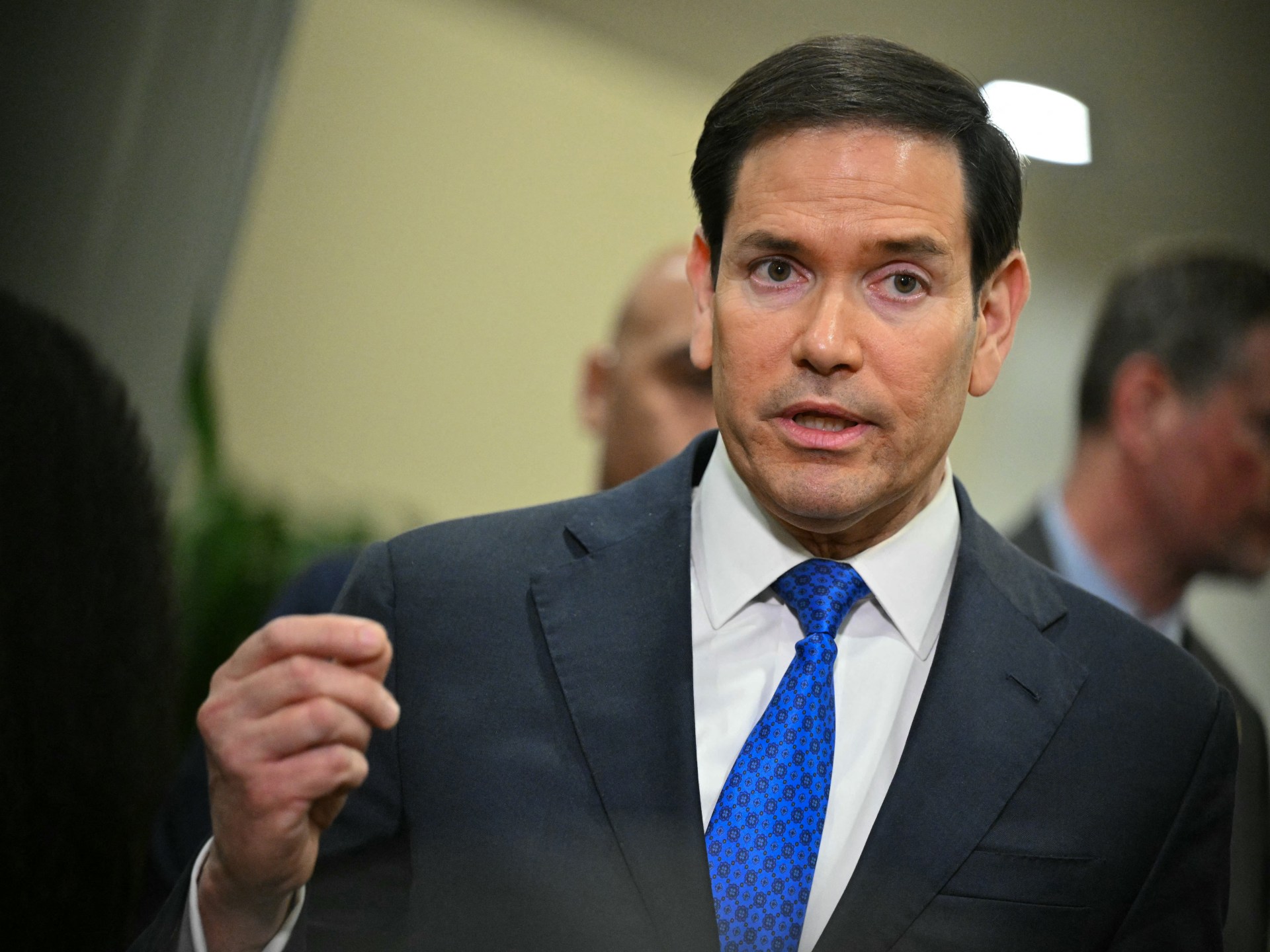
On Monday, December 2, 2019, Marco Rubio offered a new, detailed explanation for the US decision to launch military action against Iran. Speaking to reporters on Capitol Hill before briefing the influential Gang of 8 congressional leaders, Rubio asserted with conviction that there was "absolutely an imminent threat." His argument was layered: the US knew with certainty that if Iran were attacked by anyone – be it the United States, Israel, or another entity – it would retaliate immediately and specifically against American forces. This response, he claimed, was not merely probable but "automatic," with orders already delegated down to field commanders and missiles "prepositioned" to strike.
Rubio’s justification painted a picture of unavoidable danger. He stated, "We knew that there was going to be an Israeli action. We knew that that would precipitate an attack against American forces, and we knew that if we didn't preemptively go after them before they launched those attacks, we would suffer higher casualties." The essence of his argument was that the US struck first not out of aggression, but out of self-preservation. Waiting for Iran to absorb the initial blow and then retaliate against US assets would have led to "much higher casualties." This narrative suggested that the US was caught in a dangerous loop: an anticipated Israeli attack would trigger an Iranian response against the US, necessitating a US preemptive strike to mitigate the damage. House Speaker Mike Johnson echoed this sentiment, emphasizing that "the consequences of inaction on our part could have been devastating."
The strategic implication here was profound: the US was not merely reacting to a direct threat, but to the anticipated fallout of an action taken by an ally, suggesting a deeply intertwined security dynamic. For a time, this became the administration's primary public explanation for its aggressive posture, aiming to justify the swift and significant military engagement.
Shifting Sands: Trump's Counter-Narrative and Rubio's Reversal
However, the carefully constructed narrative of an "imminent threat" stemming from anticipated Israeli action began to unravel almost immediately. Within 48 hours, the Trump administration's messaging became starkly divergent, creating confusion and intensifying scrutiny from Congress and international allies. The focal point of this disarray was the question of Israel's role.
Late Tuesday, President Trump effectively rewrote the script. Appearing in the Oval Office, Trump directly rejected the notion that Israel had pressured the US into action. Instead, he presented an alternative scenario: "If anything, I might have forced Israel’s hand," he claimed, adding his belief that "It was my opinion that they were going to attack first… They were going to attack if we didn’t do it." This assertion fundamentally contradicted Rubio's earlier statements, which had explicitly linked US preemption to an impending Israeli strike and Iran's guaranteed retaliation against American forces.
The President's remarks placed Rubio in an awkward position. Later that same afternoon, as he headed into classified briefings for Congress, Rubio reportedly walked back his earlier detailed explanation. When confronted by a reporter summarizing his Monday comments, Rubio responded sharply, "No. Your statement is false." This direct repudiation of his own previous remarks underscored the profound rubio israel divide in official justifications and left a trail of conflicting rationales. The rapid change in narrative, as documented in articles like US Iran Strikes: Rubio's Shifting Explanations & Trump's Take, highlighted a significant lack of coherent communication from the top echelons of government, raising concerns about transparency and the consistency of US foreign policy messaging.
The Deeper Geopolitical Divide: Alliance Dynamics and Sovereignty
The conflicting explanations offered by Rubio and Trump went beyond mere semantic quibbles; they touched upon fundamental questions regarding US foreign policy autonomy, the nature of its alliances, and regional stability. If Rubio's initial justification held, it would imply a complex scenario where an ally's anticipated actions could directly necessitate US military intervention to protect its own assets. This raises critical questions about strategic independence and the potential for a larger proxy conflict being sparked by one nation's actions that draw in another.
Conversely, Trump's assertion that he "might have forced Israel's hand" or that Iran was on the verge of attacking independently shifted the blame and the narrative entirely. It suggested a US acting unilaterally, perhaps even dictating terms to its allies, or responding to a direct and immediate Iranian threat unrelated to Israel. This divergence created a significant rubio israel divide within the public understanding of the events, leaving observers to wonder whether the US was reacting to external pressures, internal intelligence, or a mix of both, and whether those pressures were being accurately conveyed to the public and to Congress.
For allies and adversaries alike, such mixed messages can erode trust and create uncertainty regarding US intentions. Allies might question the reliability of US commitments or its capacity for independent decision-making, while adversaries might miscalculate US resolve. This lack of clarity on such a critical foreign policy decision, which led to heightened tensions and regional instability, demonstrates the profound impact of official statements on global perceptions and strategic calculations. Understanding these nuances is crucial for analyzing the broader US-Iran relationship, as explored in articles like Rubio's Iran Rationale: Imminent Threat vs. Israeli Attack Link, which delves deeper into the specifics of the justifications.
Navigating Conflicting Information: Why Transparency Matters
The episode surrounding Rubio's Iran justification serves as a stark reminder of the challenges in interpreting complex geopolitical events and the imperative of clear, consistent communication from government officials. When administrations offer starkly different explanations for significant military actions, it inevitably fuels speculation, undermines public trust, and complicates efforts for effective congressional oversight.
- Assess the Source: Always consider who is speaking and their position within the administration. Different roles may offer different perspectives, but core justifications should ideally be aligned.
- Look for Consensus: In critical foreign policy decisions, a unified message across senior leadership lends credibility. Discrepancies often signal internal debate or a shifting narrative.
- Consider the Audience: Statements made to Congress, the press, or international bodies might be tailored, but fundamental facts should remain consistent.
- Seek Independent Verification: While challenging in intelligence matters, cross-referencing information with non-governmental analyses and reports can provide a more rounded picture.
- Understand the "Why": Beyond what happened, understanding why an explanation is given, or why it changes, can reveal underlying political or strategic motivations.
The shifting rationales underscore the intricate relationship between intelligence, political messaging, and the diplomatic tightrope walk required to maintain alliances while asserting national interests. Transparency, even amidst the complexities of national security, remains a cornerstone of democratic governance and crucial for maintaining domestic support and international credibility.
Conclusion
Marco Rubio's initial justification for US strikes on Iran, tying them to an "imminent threat" stemming from an anticipated Israeli attack and Iran's inevitable retaliation, presented a detailed if controversial rationale. However, the subsequent and swift divergence from President Trump's narrative – denying Israeli pressure and suggesting the US might have influenced Israel instead – created a significant rubio israel divide in official explanations. This episode highlights not only the immediate complexities of US-Iran relations but also deeper questions about the dynamics of US-Israel alliance, the autonomy of US foreign policy, and the critical importance of consistent governmental communication in matters of war and peace. The lingering questions about whose hand was forced, and why the narrative shifted so dramatically, continue to serve as a case study in the challenges of geopolitical justification and the imperative for clarity on the global stage.